Dissemination Event | NUST, Islamabad | October 14, 2025

Community is the first line of defense against biological and climatic health emergencies reveals NUST based “Randomized Control Trial: Sargodha Microbes Literacy”.
Minister of State for Health Highlights the Role of “Microbe Literacy” in Strengthening Community Engagement for Biological and Climatic Health Emergencies and Preparedness.
At the Research Findings event in Islamabad, Minister of State for Health Dr. Mukhtar Ahmed Bharath praised the Development Synergies International (DSI) for empowering communities through microbe education. Citing evidence from a recent Randomized Controlled Trial (RCT), he highlighted that microbe literacy improves hygiene behaviours, reduces infections, encourages responsible antibiotic use, and strengthens outbreak readiness. He urged community microbes literacy integration with Pakistan Pandemic Preparedness Fund supported by FAO, WHO, ADB to reinforce Pakistan’s pandemic resilience and global health security.
Minister of State for Health, Dr. Mukhtar Ahmed Bharath, commended NUST based Development Synergies International (DSI) for their innovative approach in building community understanding of microbes and disease prevention, which was supported by Microbes Literacy Initiative (MLI).
Speaking at the Dissemination of Research Findings, of the Randomized Controlled Trial (RCT) on Microbe Literacy held at the NSTP Auditorium, NUST Islamabad, Dr Bharat emphasized that empowering communities through microbe education is essential for strengthening national pandemic preparedness and global health security.
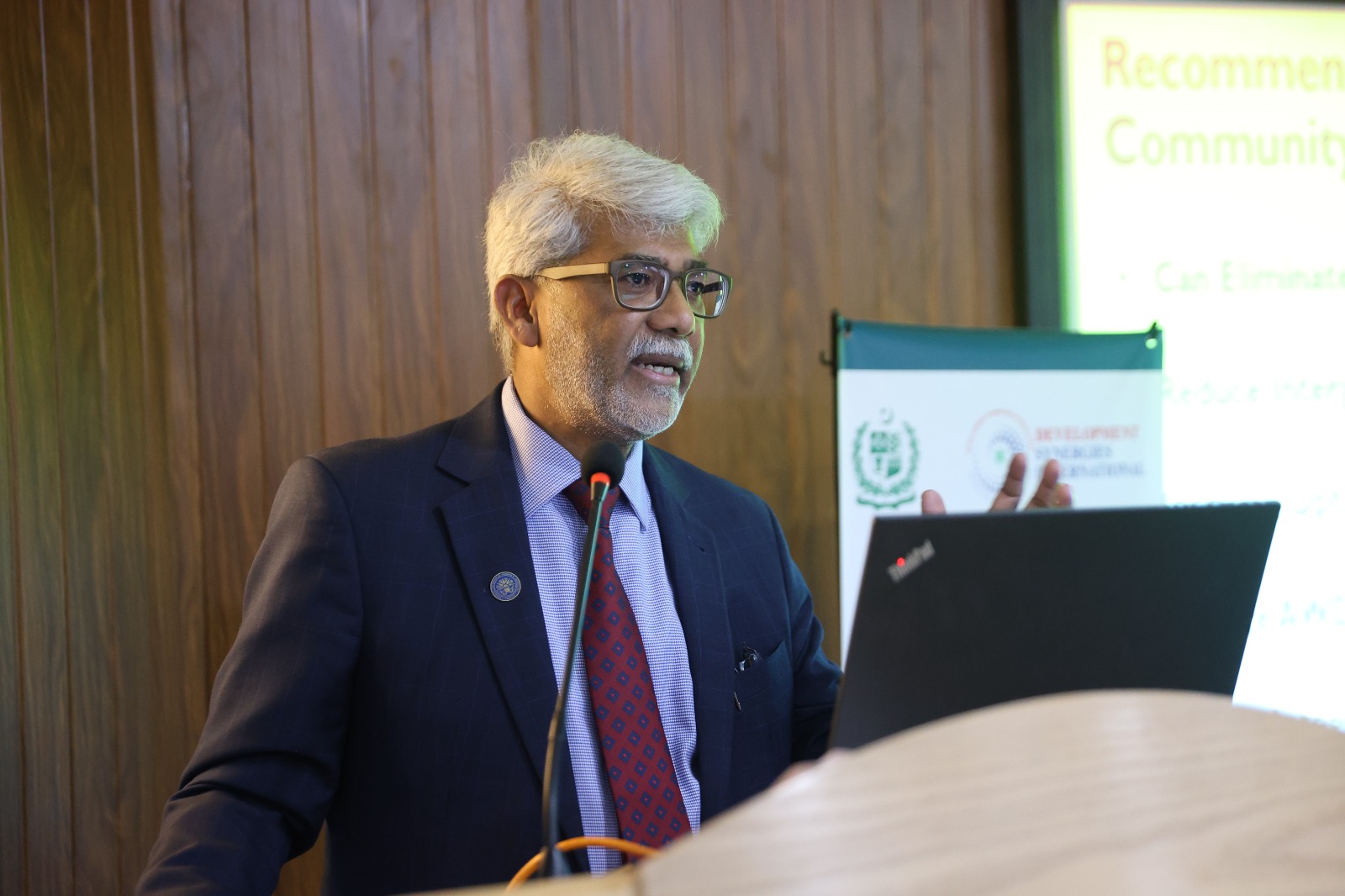
The RCT results demonstrated measurable improvements in hygiene practices, infection prevention, and responsible antibiotic and improved polio vaccine acceptance among participating households — reinforcing the value of evidence-based community interventions. Professor Dr. Muhammad Tariq, CEO, Development Synergies stressed that such approaches must now be scaled up nationally, integrated into existing health systems, and sustained through multisectoral collaboration. “Microbe literacy is not just about knowledge; it’s about resilience,” he said. “When communities understand microbes, they become our first line of defence against future outbreaks.”
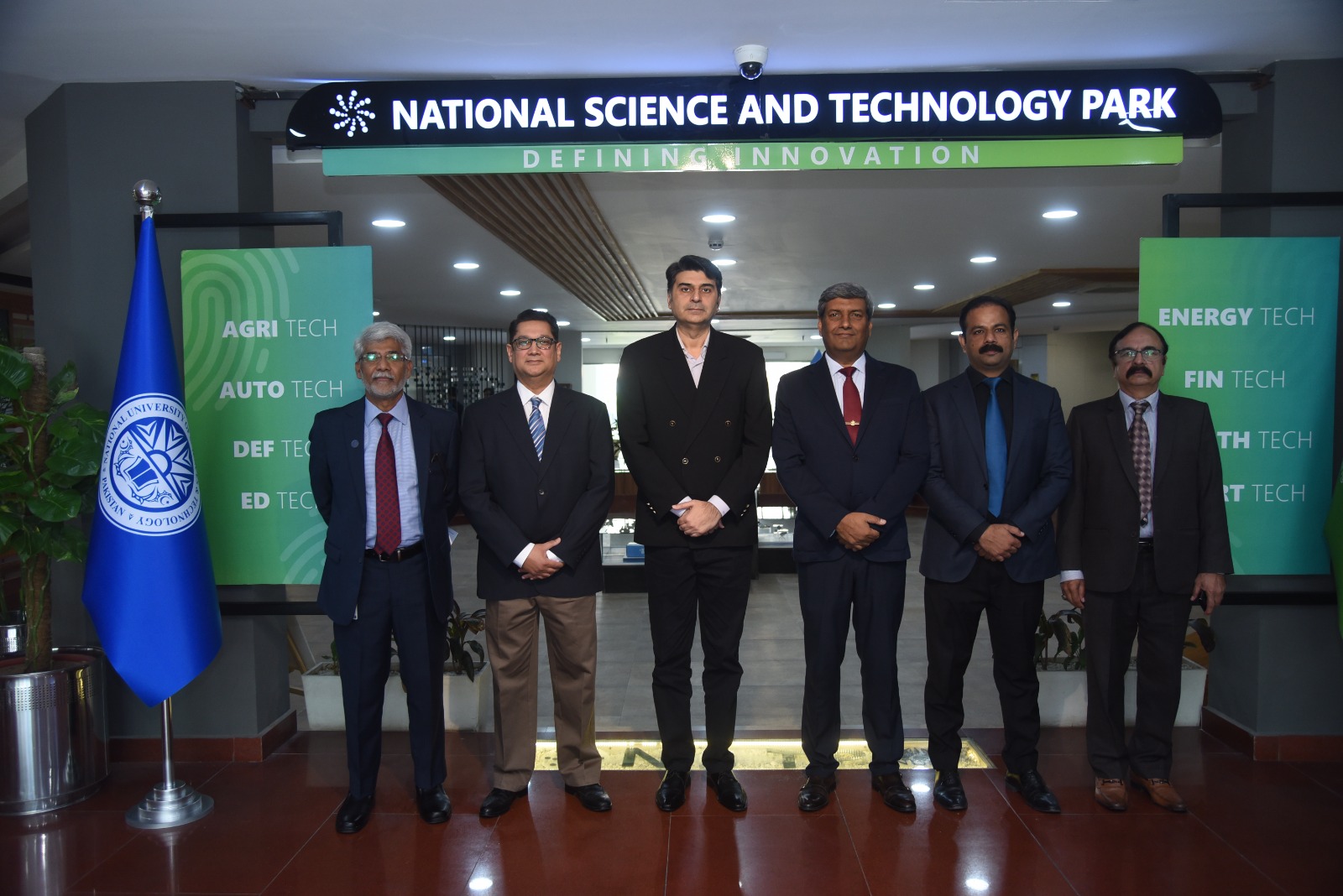
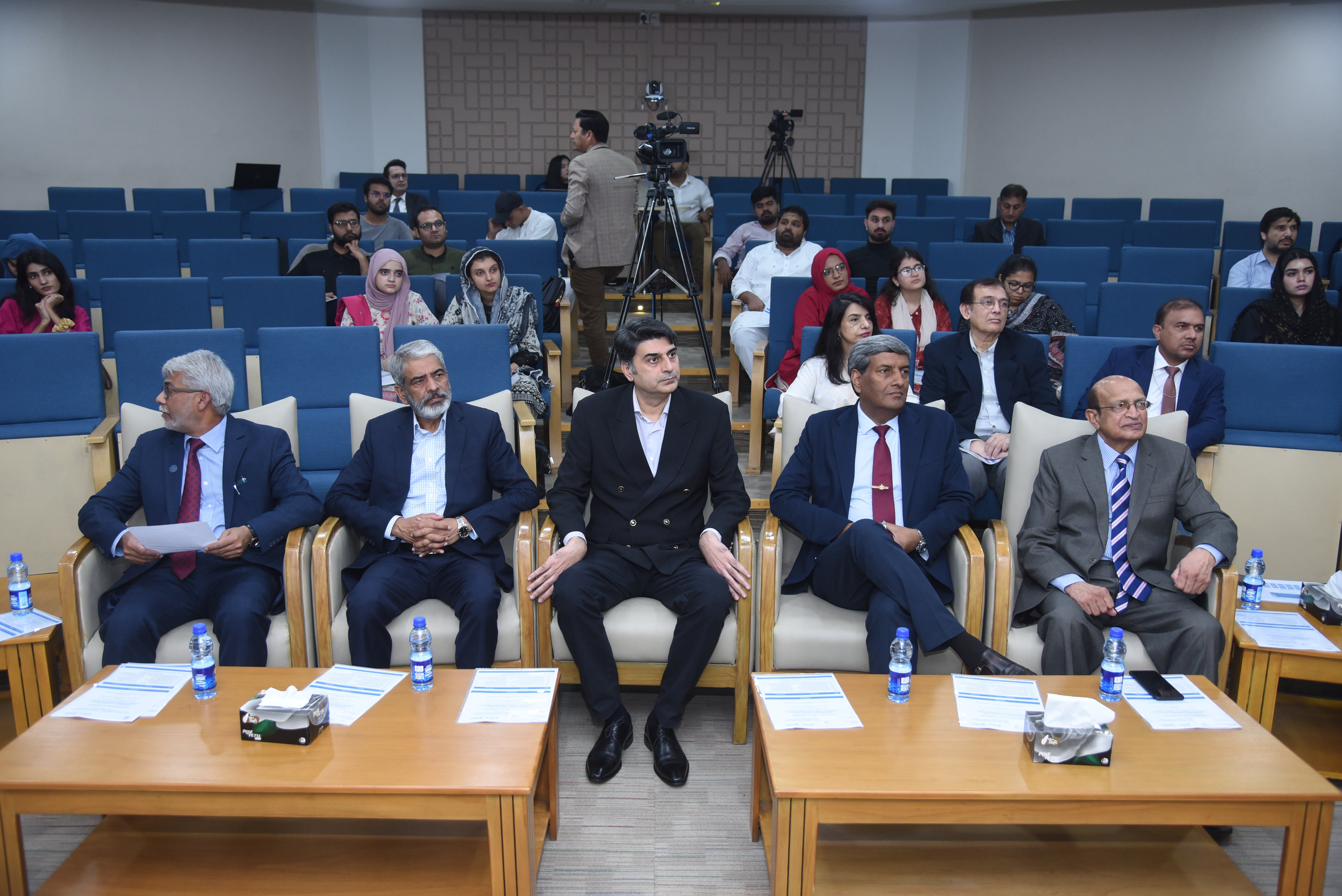
The event was graced by prominent dignitaries, including Professor Dr. Tahir Khadim, Dean and Principal, Fazaia Medical College; Dr. Nisar Ahmed Cheema, Ex-MNA and DG Health Punjab; Dr. Aslam Asad, DHO Sargodha; Mr. Amer Sheikh, Director NSTP; Professor Dr. Javaid Iqbal, Principal SMME NUST; and Engr. Mairaj Gul, Former Executive Director, NTC. Their participation reflected a shared commitment across academia, government, and health leadership to foster community-driven approaches in achieving One Health, Global Health Security, and Sustainable Development Goals (SDGs).

Visualizing the impact of microbe literacy and community health initiatives








Explore what media and professional platforms are saying about the event.








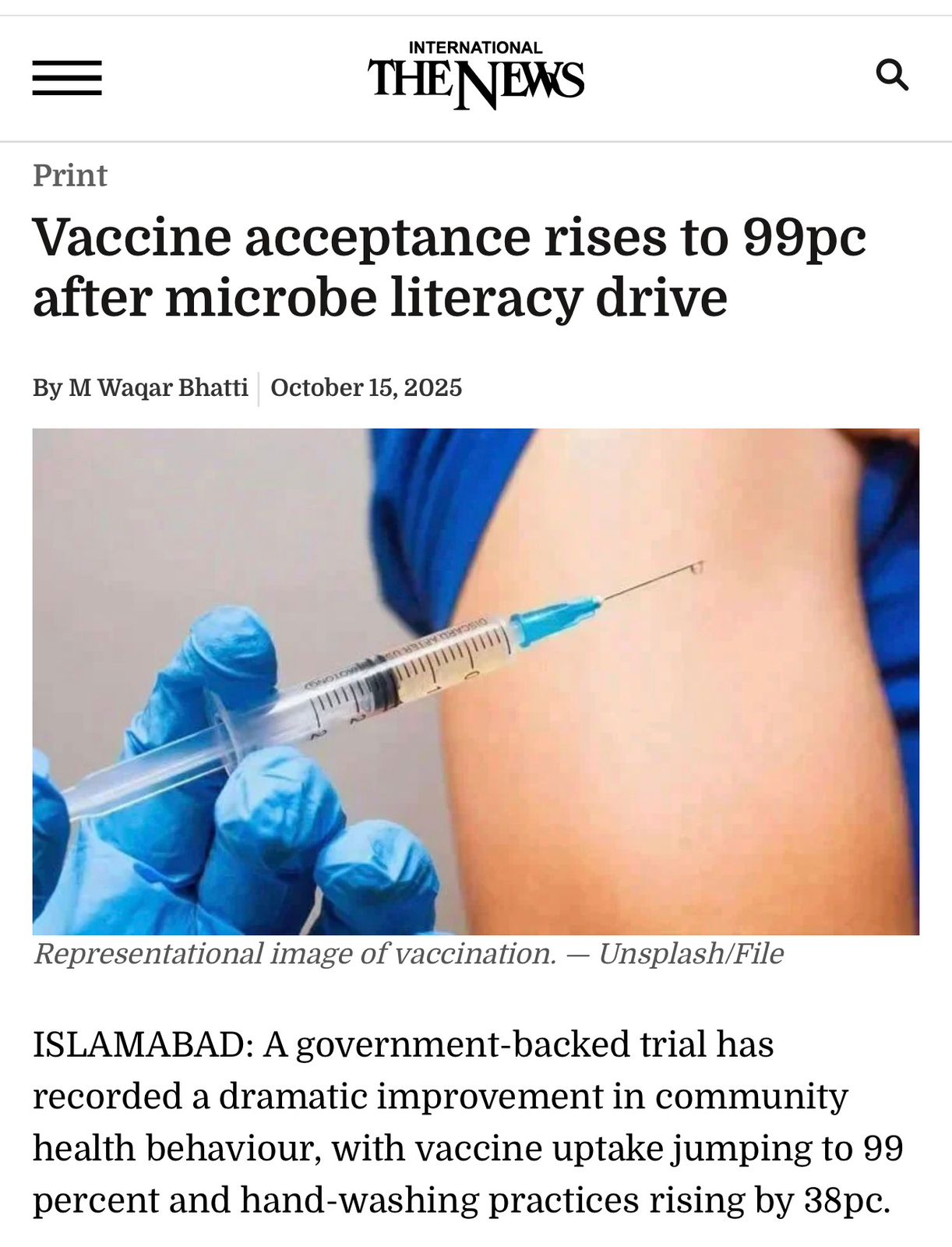

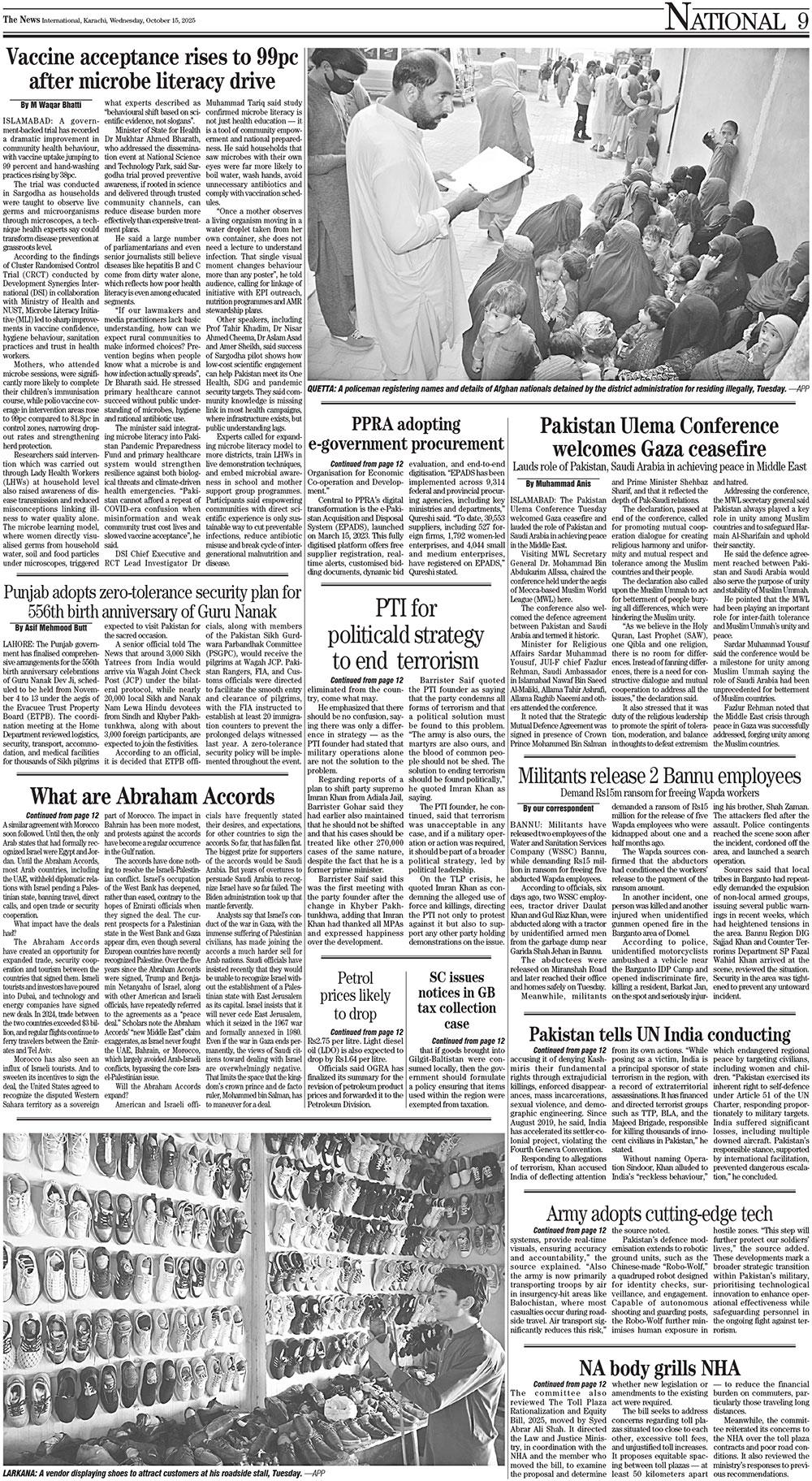
Vaccine acceptance rises to 99% in Sargodha after Microbes Literacy drive.
Read More

Highlights from NUST's Microbes Literacy Initiative Dissemination Event.
Read More
Highlights from NUST's Microbes Literacy Initiative Dissemination Event.
Read More